Strategic Direction for Innovation in Intimate Grooming
A Procter & Gamble partner-studio uncovering product opportunities in an oversaturated category
My Role:
Lead Researcher
Design Strategist
Narrative Architect
Northwestern Engineering Design Innovation
Product Design
Fall 2025
SUMMARY

In categories defined by long-held routines, meaningful innovation must remove friction so convincingly that adopting a new habit or product feels safer and easier than staying with the old.
The brief: Find opportunities for innovation in the intimate grooming space.
The tension: Users stick with familiar shaving habits even when those habits create friction, frustration, and unnecessary cognitive load.
The direction: Reduce mental effort and create radical trust in a tool during a sensitive, repeated routine rather than merely improving performance.
PROJECT ARC
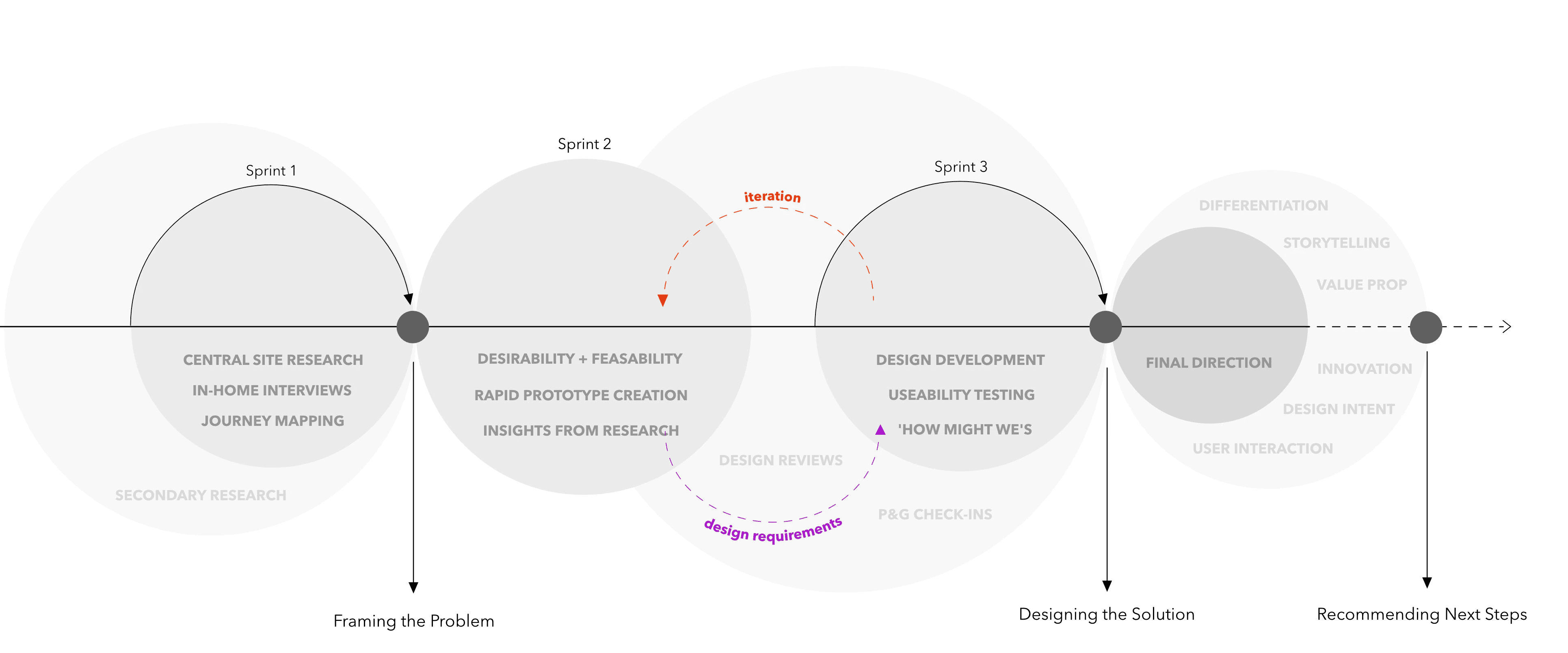
RESEARCH PROCESS
Approach
3 rounds of research (home interviews and central site research)
8 participants across diverse life contexts
Secondary research to frame existing market
Iterative synthesis of ideas between rounds
Purpose
Understand consumer behaviors and unmet needs
Identify emotional and functional motivations
Ground opportunities in real, contextualized user experiences
Rapport-building over time
In-home interviews
Saw real rituals, tools, environments, constraints
Observed natural workarounds and adaptations
Identified emotional cues impossible to surface in staged settings
We learned…
Long-standing routines persist even when they create frustration
Risk avoidance and habit inertia define adoption thresholds
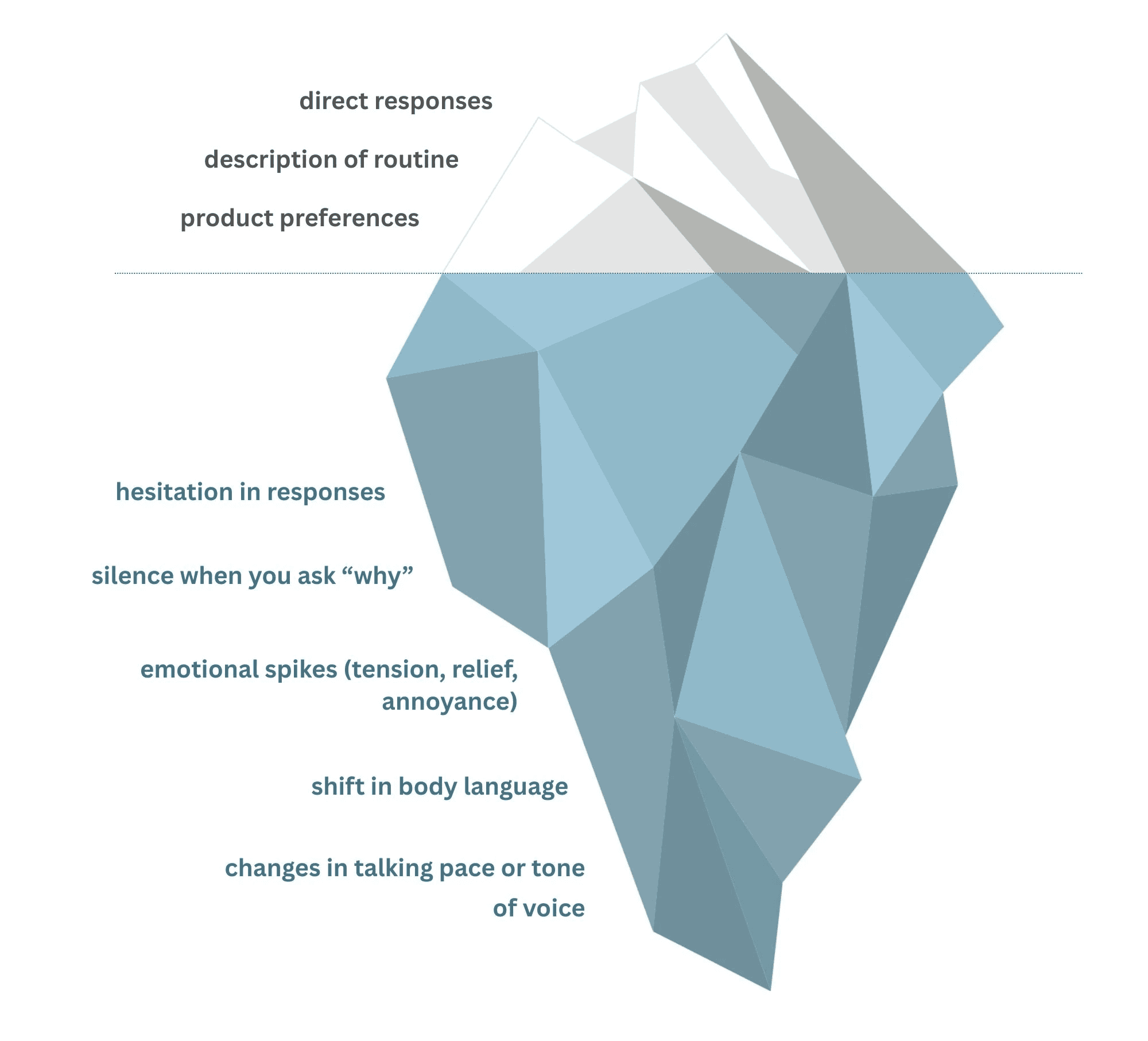
Building trust creates space for candor
the hidden half of the user interview
Central-site visit interviews
Consumers traveled to our location to test prototypes in a controlled environment
Tested expectations, interactions, and assumptions around form and function
Explored desirability, ergonomics, perceived confidence
We learned…
Users often "told" prototypes what they wanted them to be; misinterpretation revealed meaningful form-language cues
Desirability hinged on emotional reassurance as much as functional capability
Clarity on interaction directly reduced cognitive load
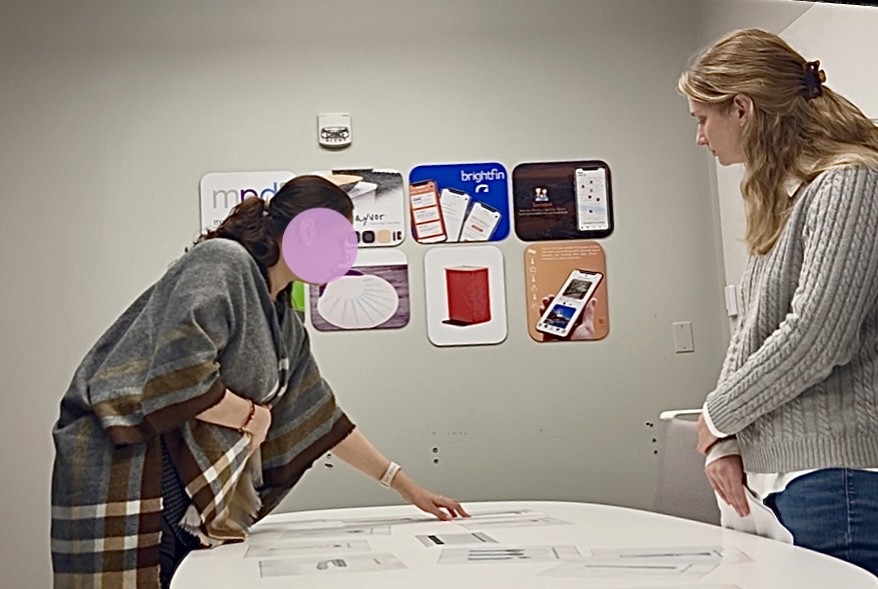
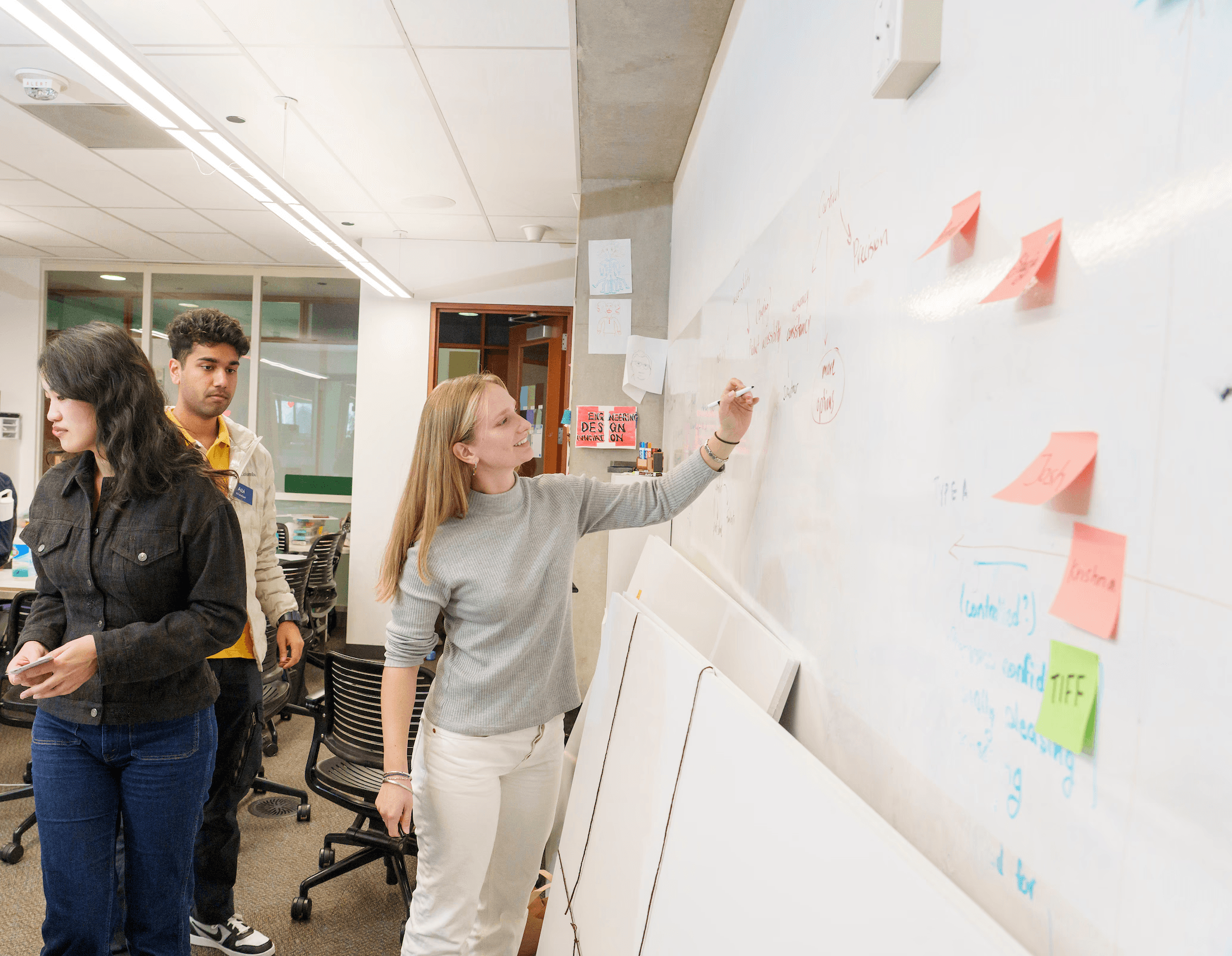
simulated shopping task to evaluate desirability and novelty across early product renders
DESIGN DEVELOPMENT
Approach
Integrate consumer insights, form studies, and rapid prototyping to converge on strongest value proposition
Purpose
De-risk the innovation pathway and deliver a concept direction that supports long-term growth and integration with P&G business ecosystem
Concept Exploration
Translated insights and HMWs into focused opportunity areas
Built low-fidelity prototypes to validate comfort and ergonomics
Prioritized concepts using feasibility, differentiation potential, and behavioral adoption thresholds
We learned…
Integrating familiar material and aesthetic cues used in current market products supported trust in innovative forms and new mechanisms
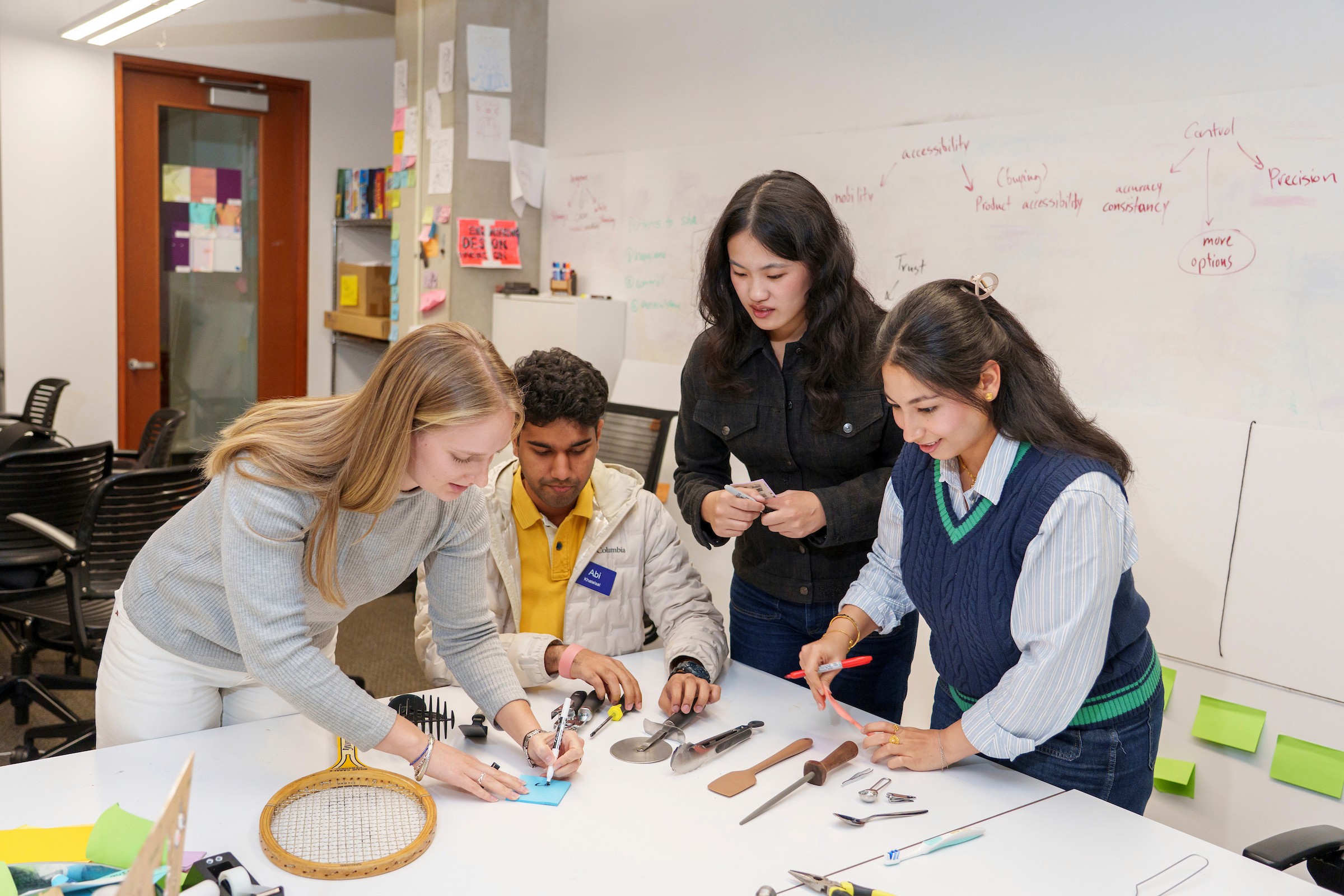
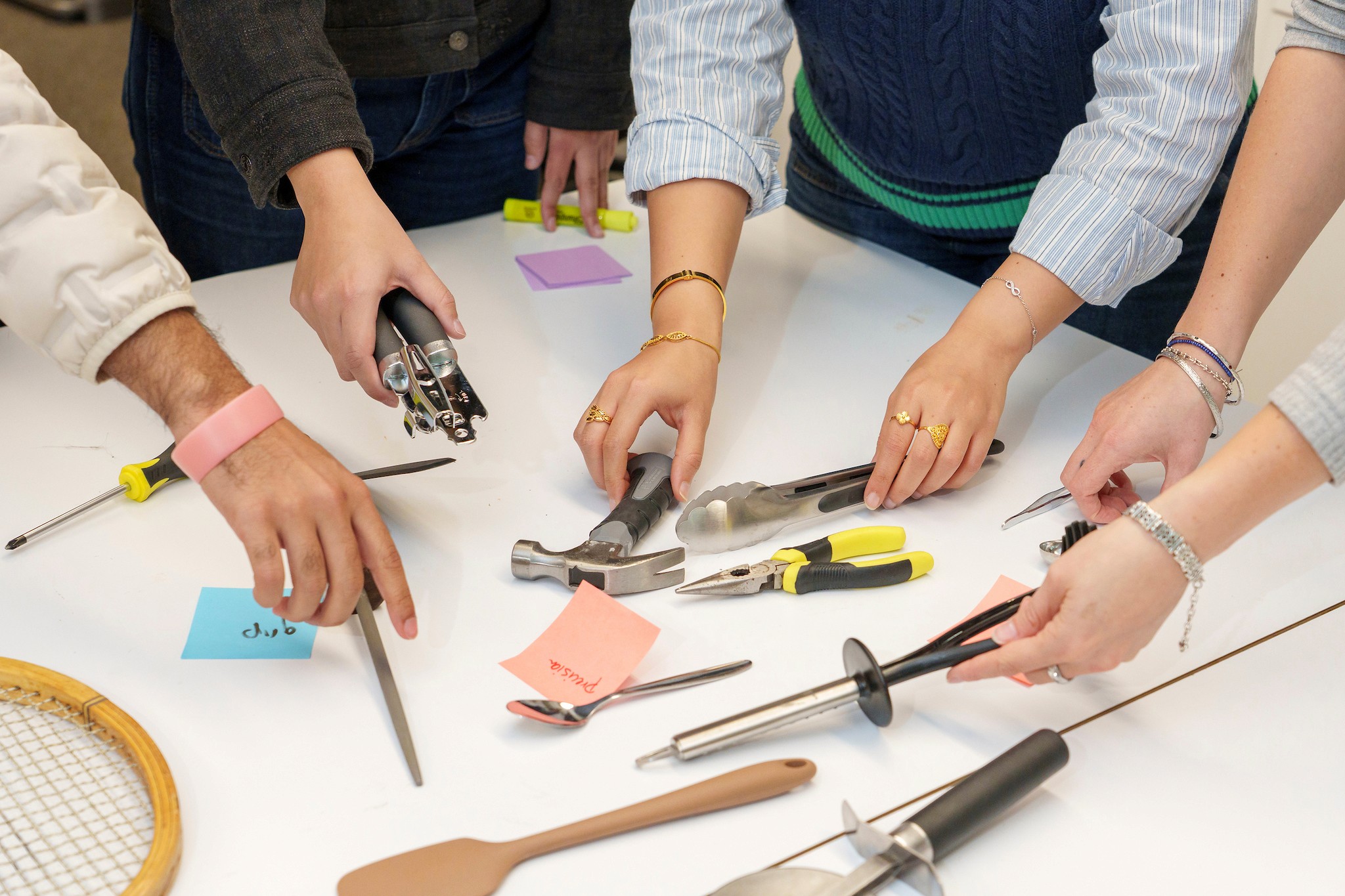
exploring interaction through everyday objects to understand natural grip preferences and cues
Design Refinement
Evolved priority concepts through iterative 3D modeling and rapid-print cycles
Reduced required user interactions by streamlining key touchpoints
Refined form language to enhance intuitiveness, leveraging cues that communicate orientation and correct handling
We learned…
Minimizing steps in a routine isn’t just about efficiency– it directly impacts perceived effort and emotional readiness to adopt something new
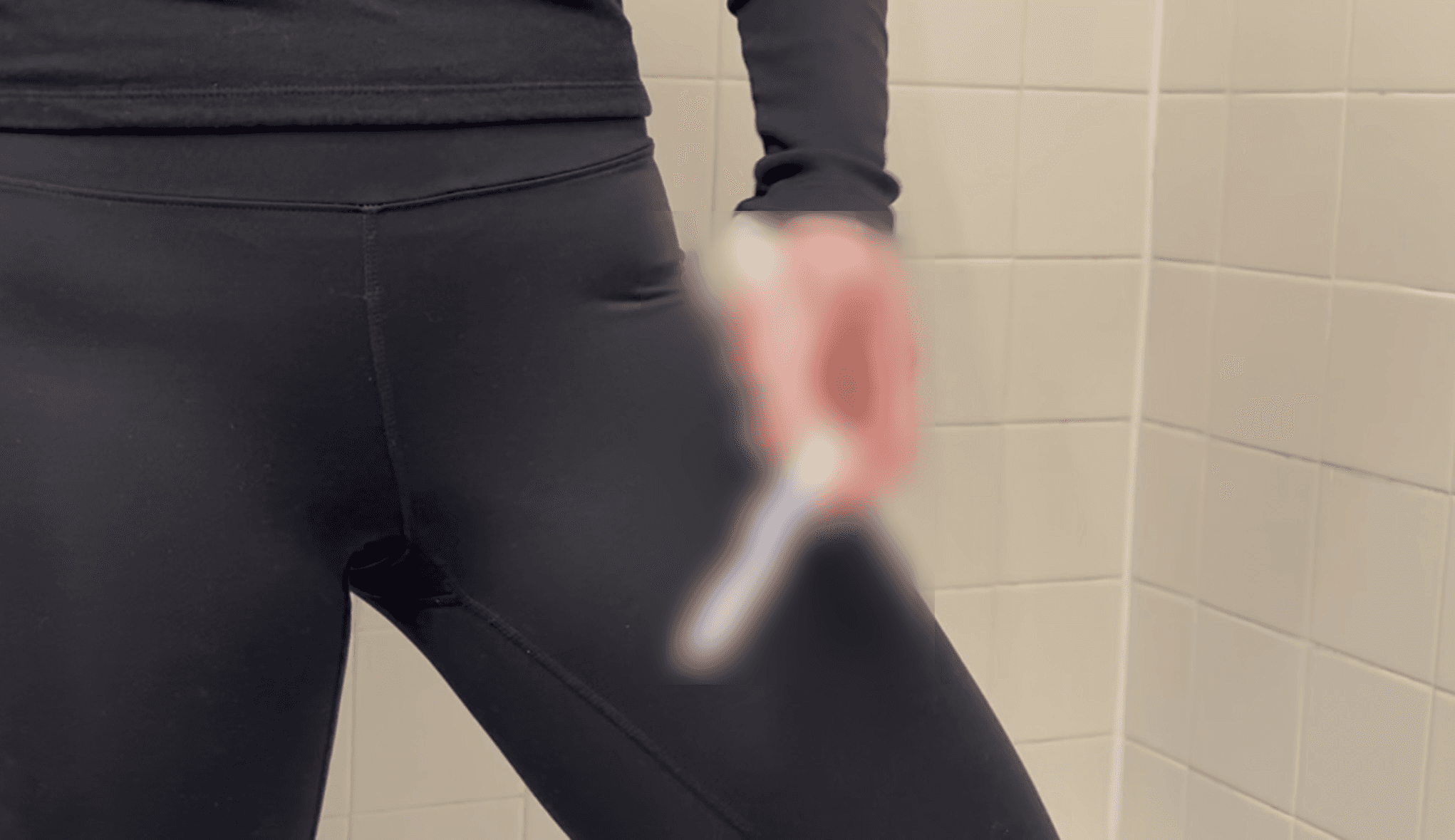
testing form, grip, alignment with anatomy
SOLUTION
Our final direction positions safety, confidence, and ease as the core differentiators within a saturated category dominated by functional sameness.
To respect confidentiality agreements, this case study focuses on direction and decision-making rather than full production detail.